

May 8, 2026



The promise of equal housing opportunity didn’t arrive easily. It came through struggle, sacrifice, and the determination of civil rights leaders who refused to accept discrimination as the American way.
On April 11, 1968, just one week after the assassination of Dr. Martin Luther King Jr., President Lyndon B. Johnson signed the Fair Housing Act into law. This landmark legislation made housing discrimination illegal across the United States. It represented a pivotal moment in the fight for civil rights and equal opportunity.
More than five decades later, the work continues. Houston Habitat for Humanity stands as a living example of how the Fair Housing Act’s principles translate into action every single day.
The Fair Housing Act prohibits discrimination in housing based on seven protected characteristics. These include race, color, national origin, religion, sex, familial status, and disability.
The law covers nearly all housing transactions. Whether you’re buying a home, renting an apartment, applying for a mortgage, or seeking housing assistance, the Fair Housing Act protects you.
Housing Discrimination can take many forms.
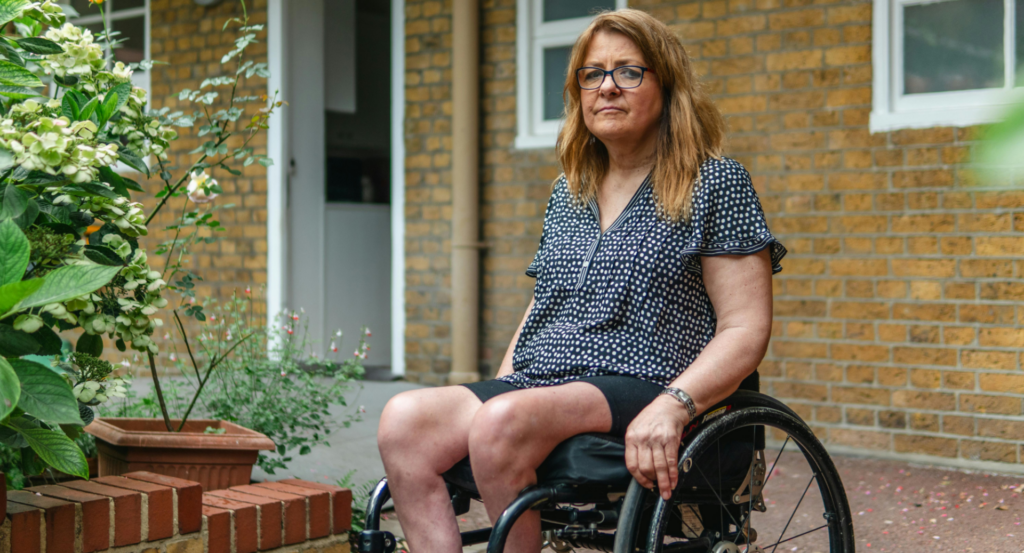
The Act also requires reasonable accommodations for people with disabilities. Landlords must allow service animals even in no-pet buildings. New multifamily housing must include accessible features. Housing providers cannot refuse to make reasonable modifications that enable people with disabilities to fully use and enjoy their homes.
Two federal agencies work together to enforce the Fair Housing Act. The U.S. Department of Housing and Urban Development handles individual complaints while the Department of Justice tackles broader patterns of discrimination.
HUD’s Office of Fair Housing and Equal Opportunity investigates complaints and attempts to resolve them through conciliation. When someone files a complaint, HUD serves notice on the alleged violator and conducts an investigation. In 2023, fair housing organizations, HUD, and state agencies received 34,150 complaints nationwide, according to the National Fair Housing Alliance’s 2024 Fair Housing Trends Report.
The Department of Justice steps in for cases involving patterns or practices of discrimination that affect multiple people or raise issues of general public importance. DOJ attorneys can seek compensatory and punitive damages, with civil penalties up to $50,000 for a first violation and up to $100,000 for subsequent violations. The department also runs a Fair Housing Testing Program, using testers who pose as prospective renters or buyers to uncover discriminatory practices.
HUD refers certain cases to DOJ, including those involving zoning laws, possible criminal violations, and situations suggesting systematic discrimination. State and local agencies certified under the Fair Housing Assistance Program also investigate complaints based on substantially equivalent state laws, creating a comprehensive enforcement network across the country.
Houston Habitat for Humanity operates under a strict nondiscriminatory policy aligned with both the Fair Housing Act and the Equal Credit Opportunity Act.
Race, sex, color, national origin, religion, familial status, age, marital status, disability, and income from public assistance play no role in choosing homeowners. This commitment reflects both legal requirements and core organizational values.
The selection process focuses entirely on legitimate criteria. Applicants must demonstrate a need for housing, show ability to pay an affordable mortgage, and commit to partnering with Habitat throughout the process. These objective standards apply equally to everyone.
Houston Habitat’s commitment extends beyond following the letter of the law. The organization actively works to create inclusive communities where families of all backgrounds can thrive.
We are pledged to the letter and spirit of U.S. policy for the achievement of equal housing opportunity. It represents a fundamental belief that everyone deserves a decent place to live.
Houston Habitat’s work embodies fair housing principles in practical ways.
The organization builds homes in diverse neighborhoods across Houston and Harris County. Location decisions consider access to quality schools, employment opportunities, transportation, and essential services. These factors help families build stable, prosperous lives.
New construction meets all accessibility requirements under the Fair Housing Act. Habitat homes include features that make them usable by people with disabilities. This commitment ensures that affordable housing serves the entire community.
Energy-efficient design makes homes more affordable to operate. Lower utility bills mean families have more resources for other needs. This practical approach to affordability aligns with fair housing goals of expanding housing access.
Despite decades of fair housing laws, discrimination persists. The National Fair Housing Alliance’s 2024 report revealed significant trends in complaint data.
Disability-based discrimination accounted for more than half of all complaints in 2023. This percentage has remained consistent for years, highlighting ongoing challenges for people with disabilities seeking housing.
Harassment complaints increased dramatically. Harassment based on color rose by 470.59 percent. Race-based harassment increased by 114.97 percent. These numbers suggest that some housing providers have become more brazen in their discriminatory behavior.
These statistics underscore why organizations like Houston Habitat remain important. Fair housing requires proactive efforts to expand access and create inclusive communities.
Habitat for Humanity International has consistently advocated for stronger fair housing protections and inclusive housing policies.
The organization opposed the 2020 rollback of HUD’s Affirmatively Furthering Fair Housing rule. This rule would have required communities to analyze barriers to fair housing choice and take steps to address them.
Habitat’s Cost of Home campaign explicitly acknowledges historic patterns of racial discrimination in housing and land use policies. The campaign calls for investments in racially segregated communities, expanded homeownership opportunities for households of color, and the elimination of barriers to communities of opportunity.
Houston Habitat for Humanity shares this commitment to advocacy. The organization participates in local, state, and national efforts to address the affordable housing crisis and promote fair housing principles.

Fair housing benefits everyone, not just those directly protected by the law.
Diverse neighborhoods foster stronger social connections. Children growing up in integrated communities develop broader perspectives and understanding. Research shows that diverse communities tend to be more resilient in the face of economic and social challenges.
Access to quality housing in areas with good schools and job opportunities reduces inequality. When families can live where they work, commute times decrease. More time with family improves quality of life.
Economic growth follows when people have stable housing near employment centers. Workers spend less on transportation. Businesses have access to larger labor pools. Communities thrive when housing barriers fall.
Houston Habitat’s work demonstrates these benefits daily. Families who achieve homeownership through our program gain stability and opportunity. Their children perform better in school. The families build equity and wealth over time. Neighborhoods benefit from engaged homeowners invested in their community’s success.
The Fair Housing Act transformed American housing policy in 1968. Yet the work remains unfinished.
Segregation persists in many American cities. People with disabilities still face barriers to accessible housing. Discrimination takes new forms as technology and housing markets evolve.
Organizations like HUD and DOJ provide essential enforcement. But federal agencies can’t solve the problem alone. Communities need nonprofit organizations, local governments, housing providers, and individual citizens to work together toward fair housing goals.
Houston Habitat for Humanity accepts this responsibility. Every home we build represents a commitment to fair housing principles. Every family we serve proves that affordable homeownership can be accessible to people of all backgrounds.
The Fair Housing Act promised equal opportunity. Houston Habitat for Humanity works every day to fulfill that promise.
Q: What should I do if I believe I’ve experienced housing discrimination?
File a complaint with HUD by calling 1-800-669-9777 or visiting their website. You can also contact your local fair housing organization or the Texas Department of Housing and Community Affairs. You have one year from the date of the alleged discrimination to file a HUD complaint. Don’t wait, as evidence becomes harder to gather over time. You can also consult with an attorney about your options for pursuing a private lawsuit.
Q: How does Houston Habitat ensure its homeownership program doesn’t discriminate?
Houston Habitat follows strict nondiscriminatory policies aligned with the Fair Housing Act and Equal Credit Opportunity Act. Our selection criteria focus entirely on objective factors like income, need for housing, ability to pay, and willingness to partner. Race, religion, national origin, sex, familial status, disability, age, marital status, and source of income never factor into homeowner selection decisions. Our staff receives regular training on fair housing requirements and our commitment to serving all eligible families equally.
Q: Does the Fair Housing Act apply to roommate situations and small landlords?
The Fair Housing Act includes some exemptions for very specific situations. Owner-occupied buildings with four or fewer units have limited exemptions for rental decisions. Single-family homes sold or rented by owners without using real estate agents or discriminatory advertising may also qualify for exemptions. However, these exemptions are narrow and don’t apply to discriminatory advertising or to real estate professionals. Roommate situations can be complex legally. Regardless of exemptions, discriminatory advertising always violates fair housing law, and most housing transactions remain fully covered by the Act’s protections.
